Rehabilitation
Physical Therapy
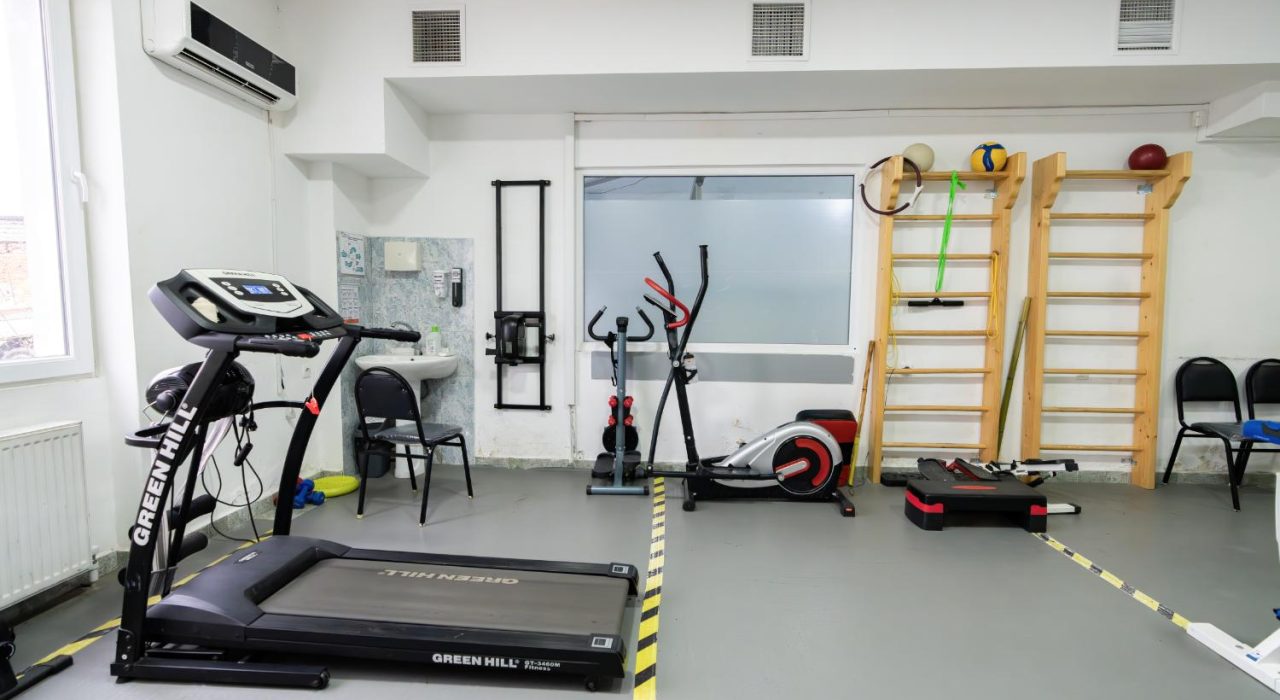
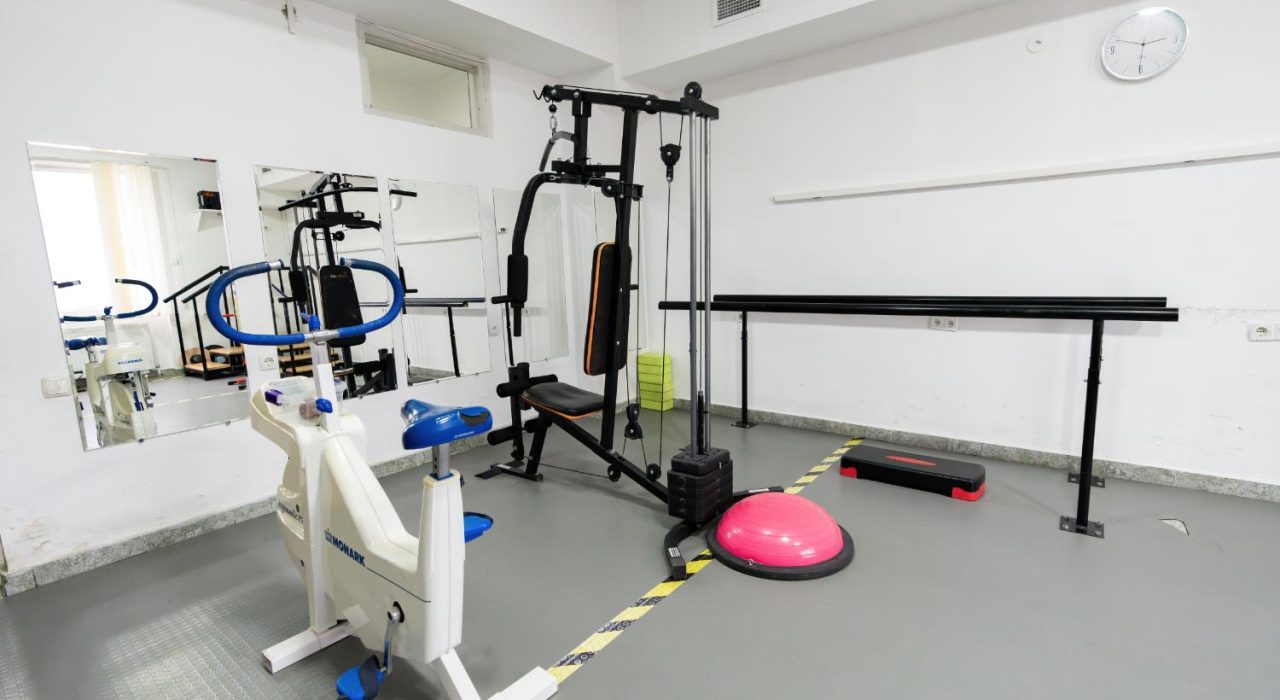
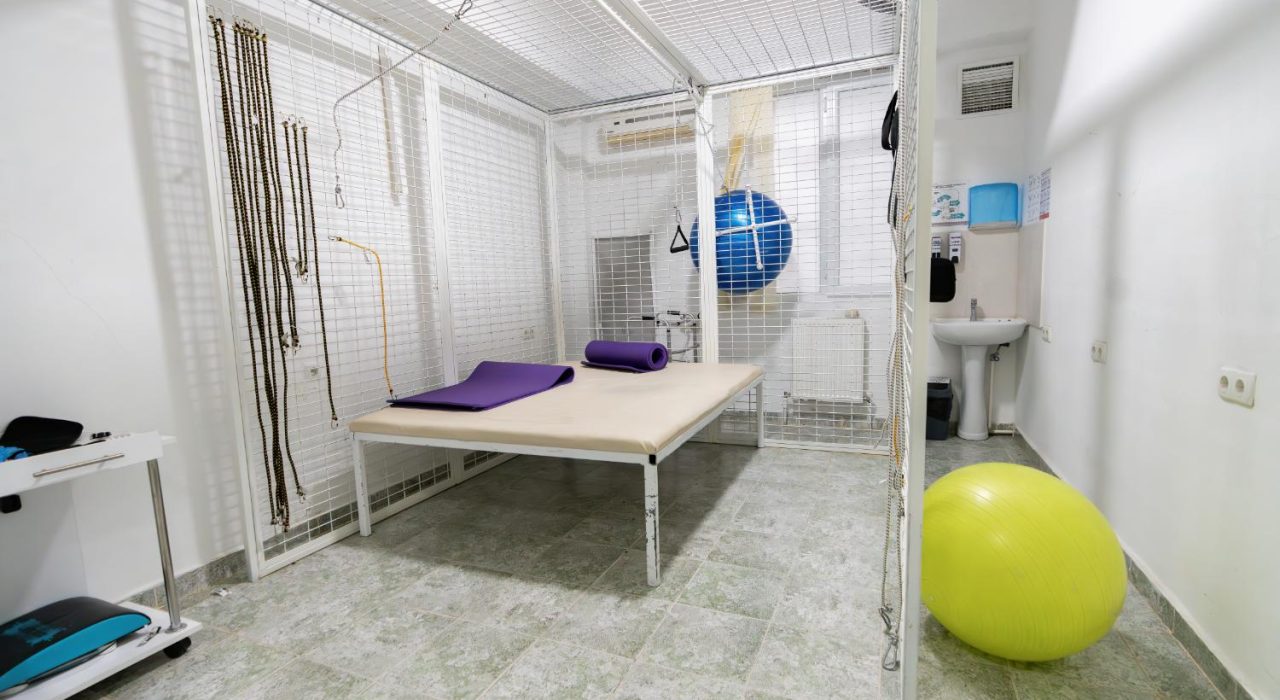
- Physical therapy is a field of medicine whose main directions are: increasing the amplitude and strength of movement, alleviating and preventing pain, improving postural coordination, balance and balance, and ultimately restoring gross motor function.
To achieve these goals, assessment tools are used: the Ashorty Spasticity Scale, FIM and other world-renowned methodologies. Various types of interventions: namely Bobath, Hyps, spatial and other methods; As a result, the patient’s gross motor abilities improve, his strength and amplitude of movements increase, pain decreases and posture improves, contractures are reduced and prevented, fine motor skills improve, balance and coordination-balance are strengthened.
Physical therapy is used in the rehabilitation of such nosologies as: post-stroke period, post-traumatic brain and spinal cord injury period, postoperative period, cerebral palsy and other neuromotor disorders.
Speech therapy
- Speech therapy – primarily involves communication management, development of expressive speech, management of motor/sensory aphasia, restoration/improvement of receptive and expressive speech; restoration/improvement of chewing and swallowing skills.
Psychotherapy
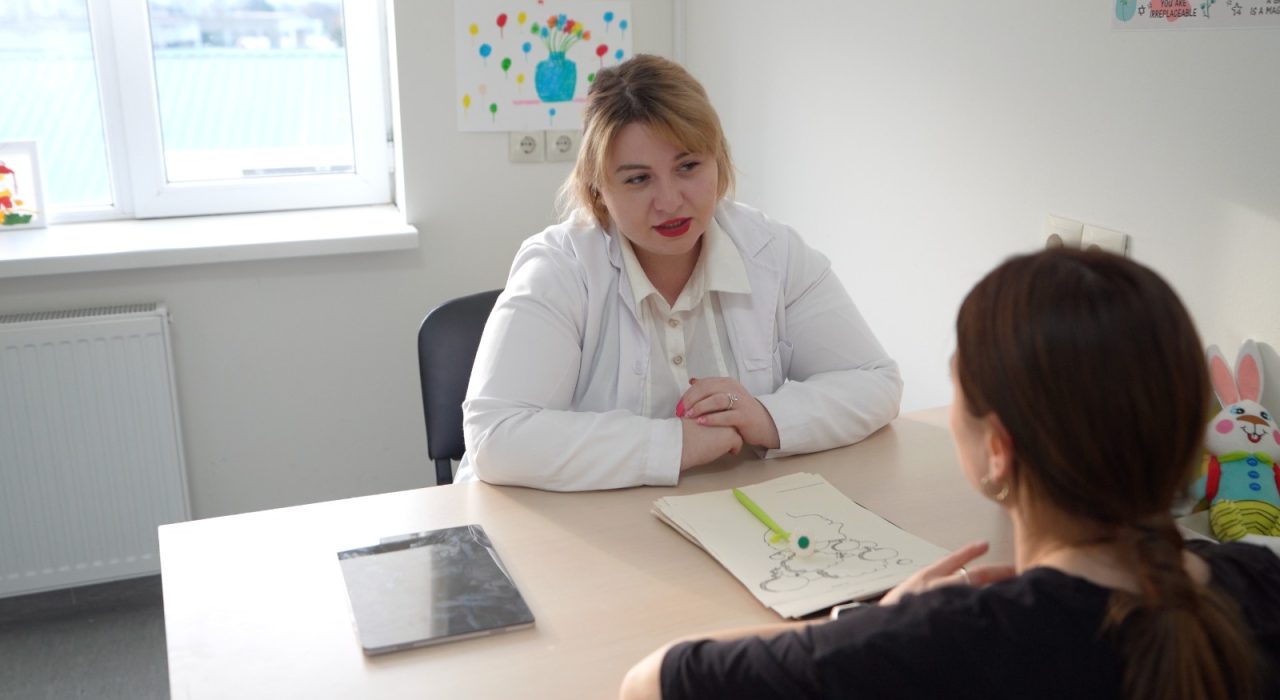
- Psychotherapy – involves the specific impact on the patient’s mental and cognitive abilities to improve these skills, identify ways to overcome problems and improve mood, and create a positive state using individual and/or group sessions.
Occupational Therapy
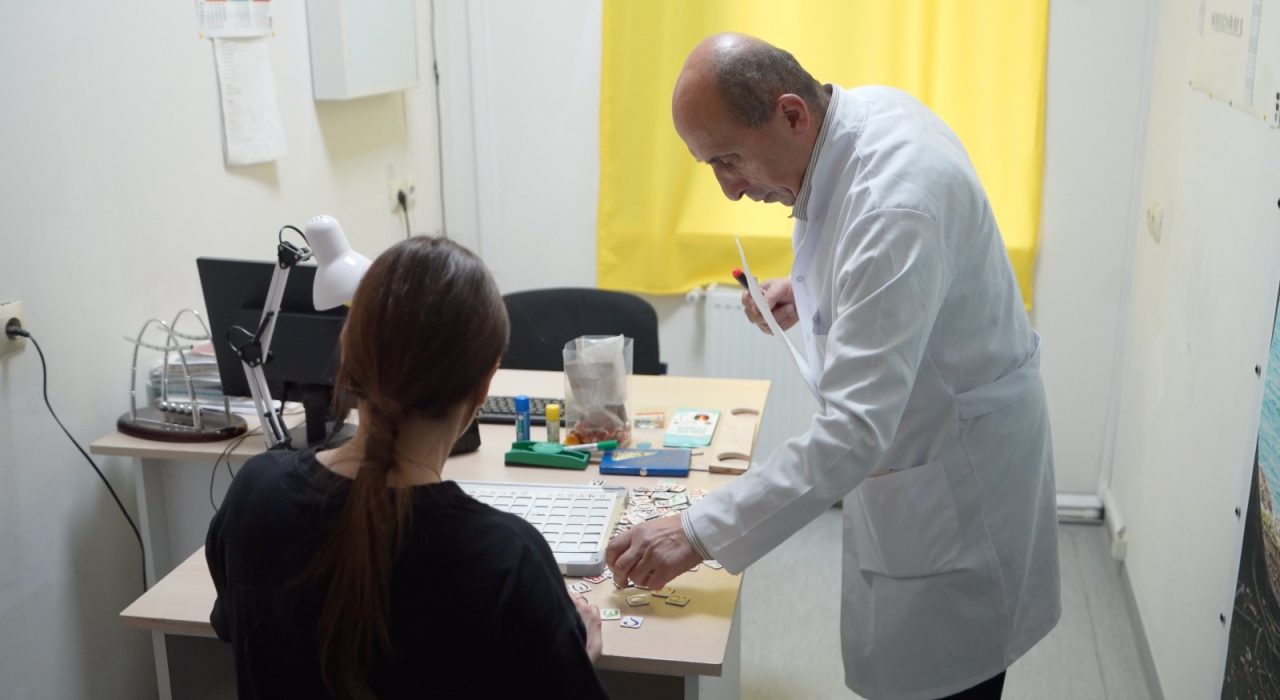
Occupational therapy is a health care specialty that focuses on increasing the well-being and quality of life of a person through participation in daily activities. The goal of occupational therapy is to involve people with various disabilities, or those who are temporarily unable to perform activities that are important to them, in activities such as self-care (bathing, brushing hair, brushing teeth), productivity, relaxation, etc. This profession is person-centered. Sees the person as a whole (holistic view) and not just their limited side.
Occupational therapy may also include consulting with the family and the beneficiary, creating aids/environment tailored to the beneficiary, providing recommendations, and advocating at school/kindergarten/workplace.
Training in the use of adaptive and assistive devices
- Training in the use of adaptive and assistive devices – implies, if necessary, training in the use of a wheelchair/cradle/four-legged crutch or other similar types of assistive devices required for movement.
Lymphatic drainage
Lymphatic drainage – is a special form of massage that involves manual drainage of lymph and is performed with a very light hand-type massage technique. This procedure improves metabolism, reduces swelling and eliminates cellulite.
Aquatherapy
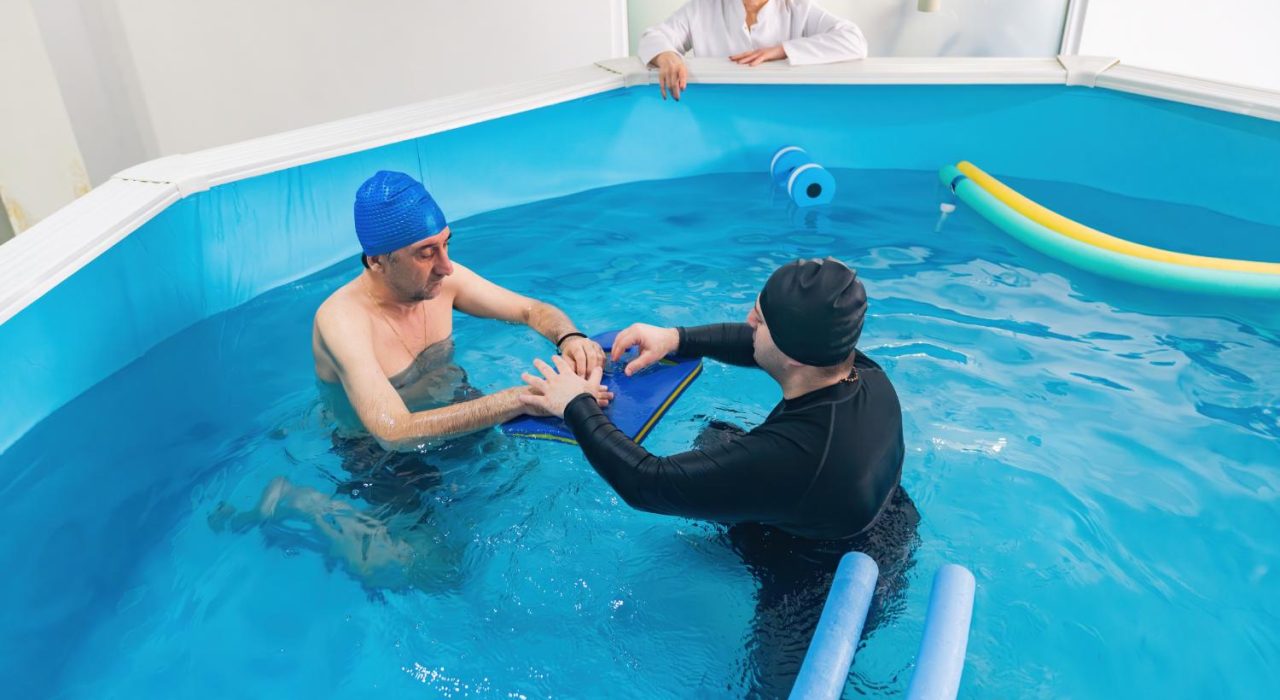
- Aquatherapy – is one of the areas of rehabilitation that involves performing physical activities in water. It is used for both general rehabilitation and specific therapeutic improvements. Physical activities are performed both on the surface of the water, in the water and under the water. It is carried out by an aquatherapist, who is also a physical therapist. The main emphasis is on improving large motor functions, as well as maintaining balance and coordination.
Electrophysiotherapy
- Electrophysiotherapy – involves performing various types of manipulations using electrical devices.
These include: electrophoresis, electrostimulation, laser therapy, magnetotherapy, phonophoresis, and shock therapy devices. The above-mentioned electrical devices are widely used in the rehabilitation process of both neuromotor injuries and somatic nosologies.